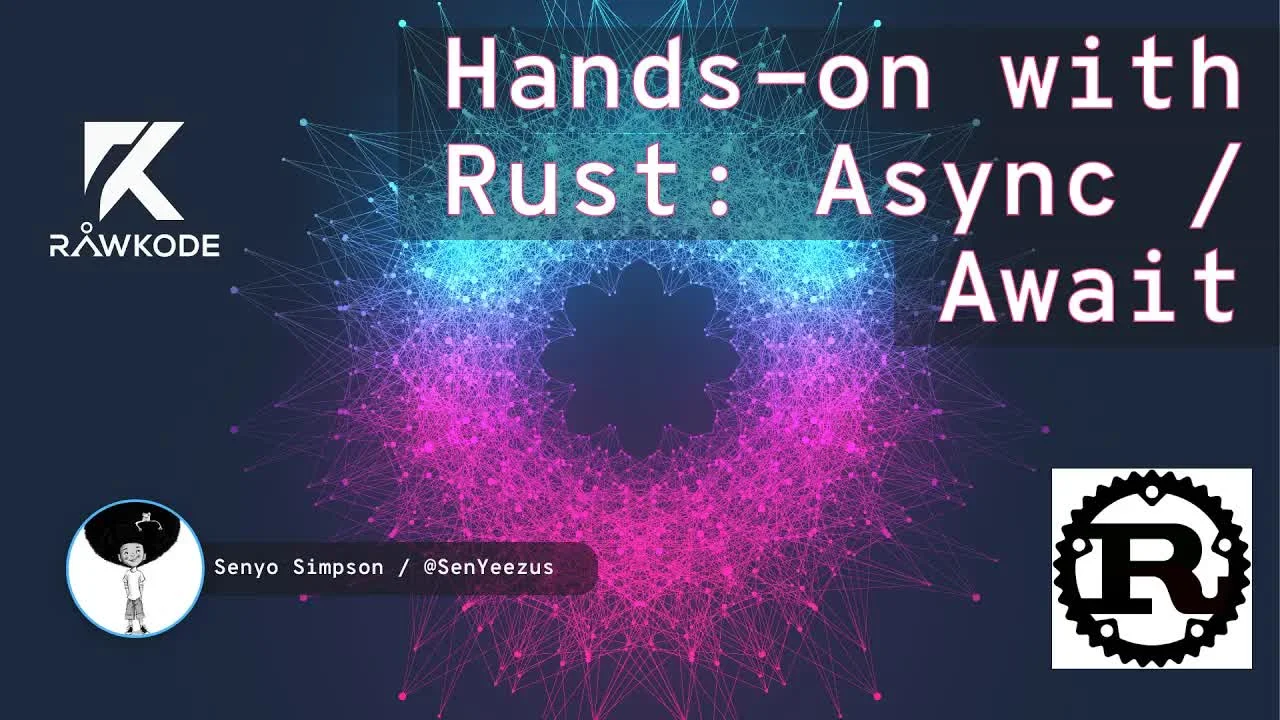
Rust is a statically typed, compiled systems programming language that provides memory and thread safety without a garbage collector. It was started at Mozilla by Graydon Hoare in 2006, reached 1.0 in 2015, and is now governed by the Rust Foundation with an open RFC and edition process.
The defining feature is the ownership and borrow-checker model: every value has a single owner, references are checked at compile time to prevent dangling pointers and data races, and lifetimes encode how long a borrow is valid. The result is C/C++-level runtime performance with the memory-safety guarantees usually associated with managed languages. Rust compiles to native code via LLVM, supports no_std bare-metal targets, and has first-class WebAssembly support through wasm32-unknown-unknown and wasm32-wasip1 targets, making it the default choice for writing WASI components and browser-side Wasm modules. The toolchain — rustup, cargo, rustc, clippy, and rustfmt — is shipped as a unified stack, and dependencies are managed through crates.io.
Cloud-native projects written in Rust include the Linkerd2-proxy data plane, Firecracker microVMs, Deno and Bun runtimes, the TiKV distributed KV store, the Databend and Polars analytics engines, InfluxDB 3.0, the Wasmtime and WasmEdge runtimes, and significant parts of the Linux kernel. Rust is dual-licensed under MIT or Apache-2.0.